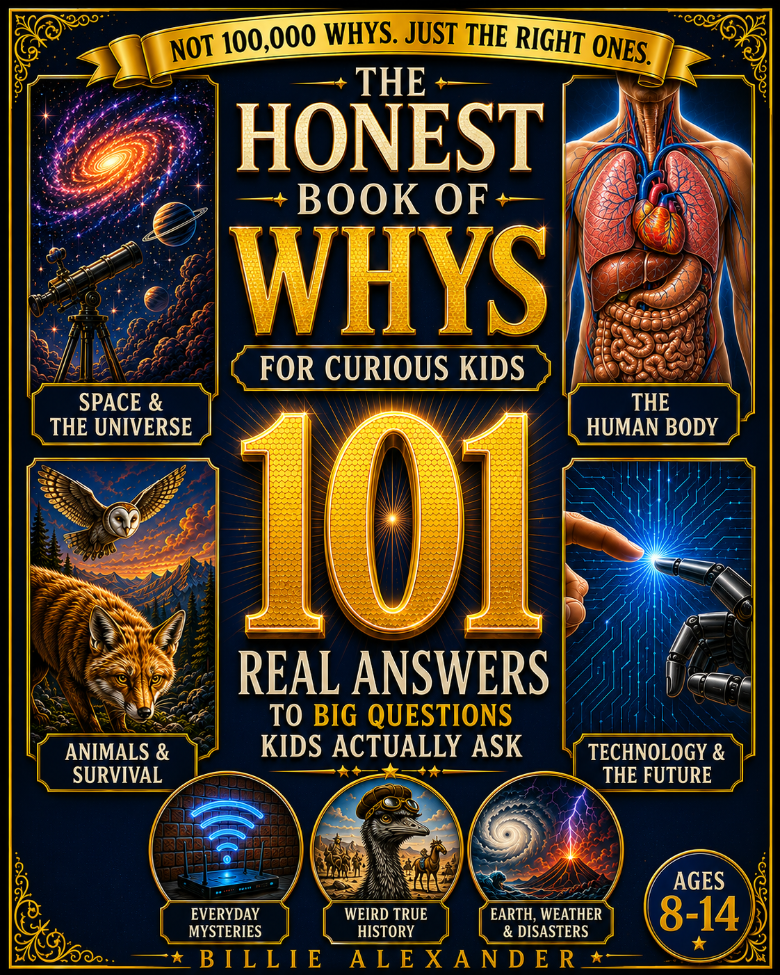
The Honest Book of Whys
for Curious Kids
101 real answers to the big questions kids actually ask, or quietly wonder, about space, the human body, animals, technology, daily mysteries, and how the world works.
Not 100,000 whys. Just the right ones.
“The questions are fascinating, the answers are honest and age-appropriate, and the design keeps kids engaged from page to page.”
“An absolute hit with my son… engaging, age-appropriate, and the best of the bunch.”
“My 10-year-old immediately said, ‘It looks so cool.’ The pages are thoughtfully designed and pleasant to read.”
“My 10-year-old loves reading the facts and sharing them with everyone. The short answers and deeper explanations keep him engaged.”
A smarter kind of “whys” book.
Some books underestimate kids. This one never does. The Honest Book of Whys for Curious Kids gives readers ages 8–14, especially tweens, advanced readers, and kids ready for real explanations, thoughtful answers to the questions they actually ask.
Inside are 101 questions and 101 real answers, written in a direct, age-appropriate style. Each entry starts with a short response, then goes deeper with context, examples, and surprising facts, for readers who want to understand how things work, why people behave the way they do, and where the honest answer is sometimes, “We’re still figuring that out.”
Ten sections. 101 questions.
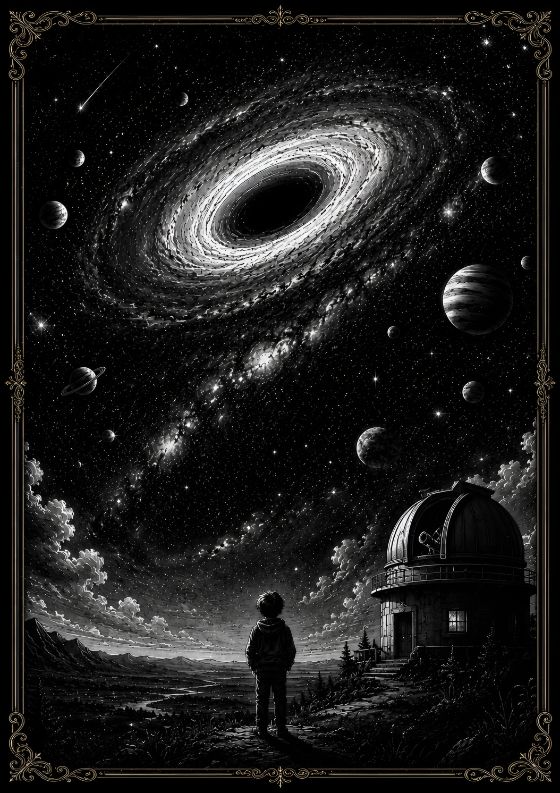
Every section opens with a full-page illustration. Open to any page, no reading order required.
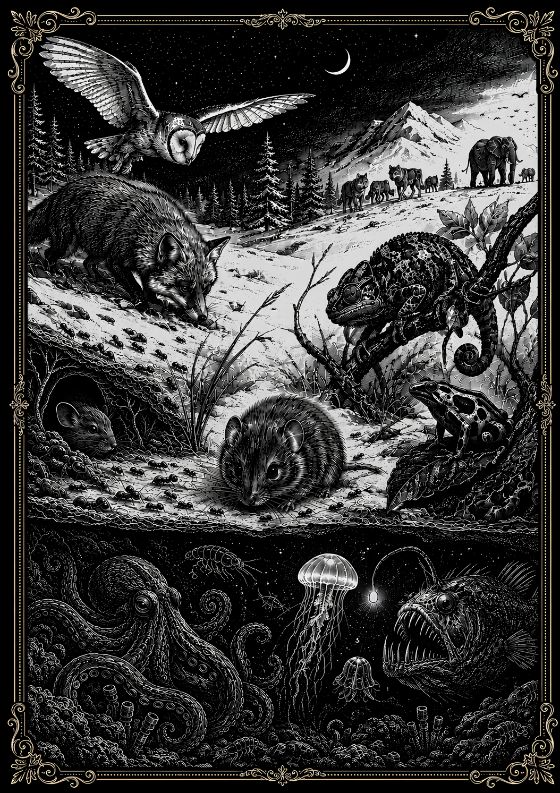
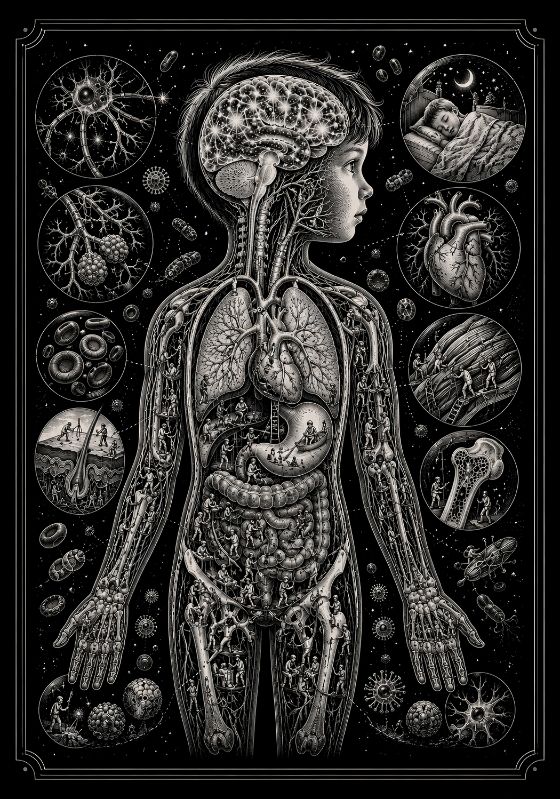
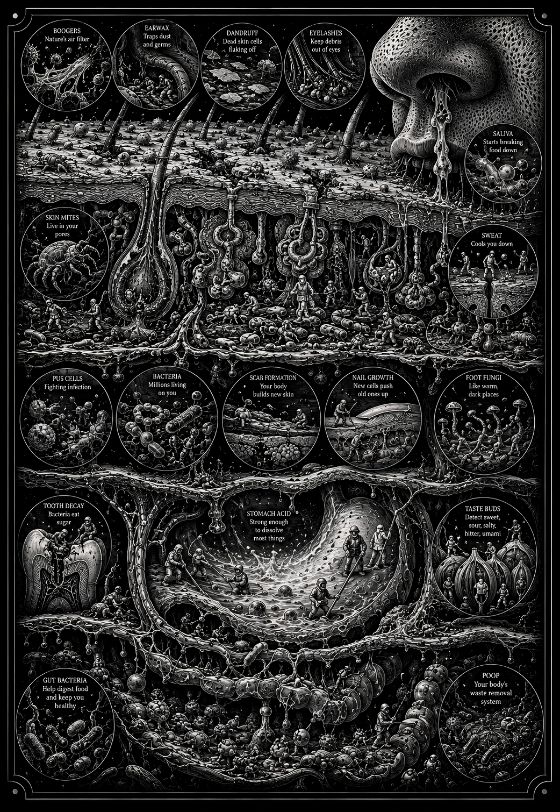
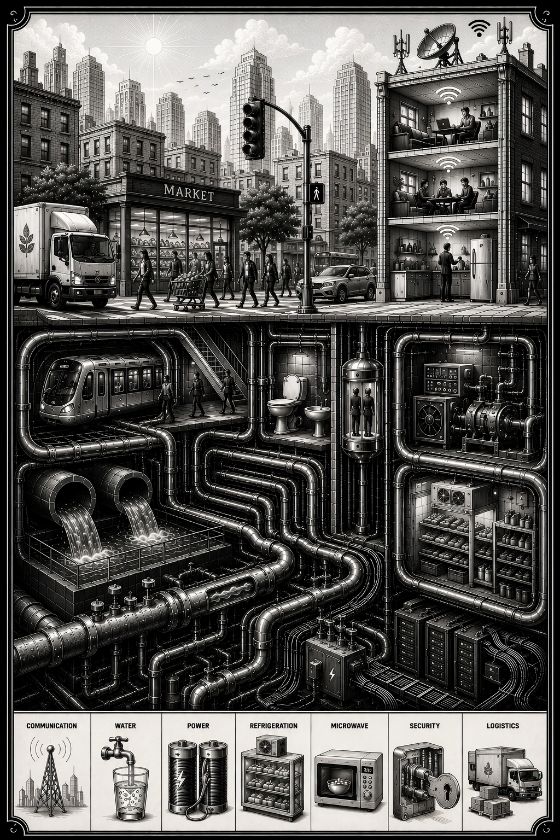

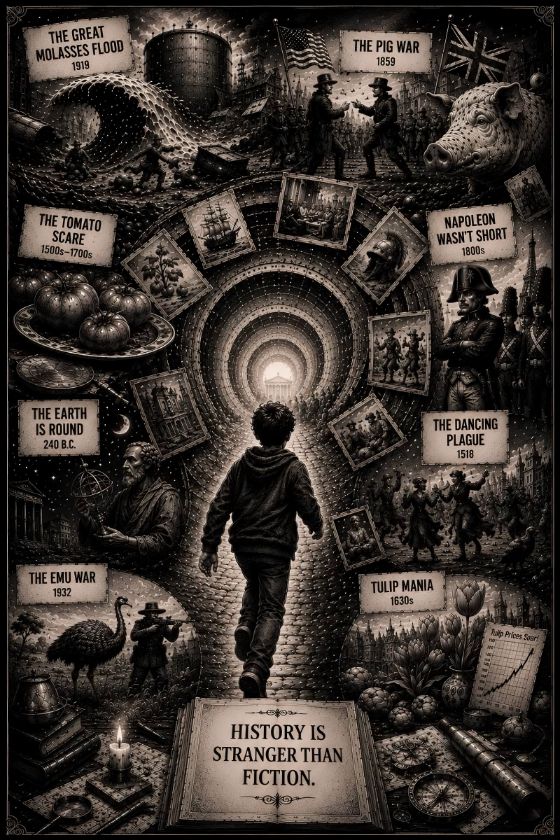
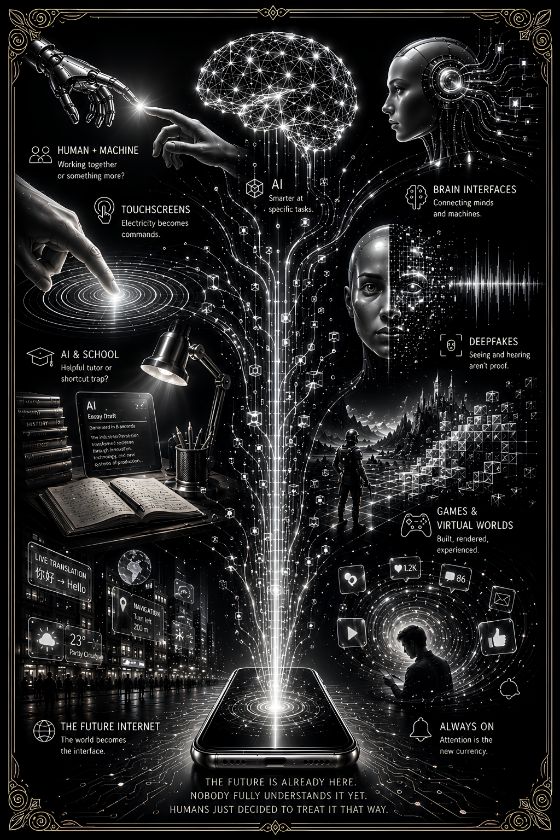
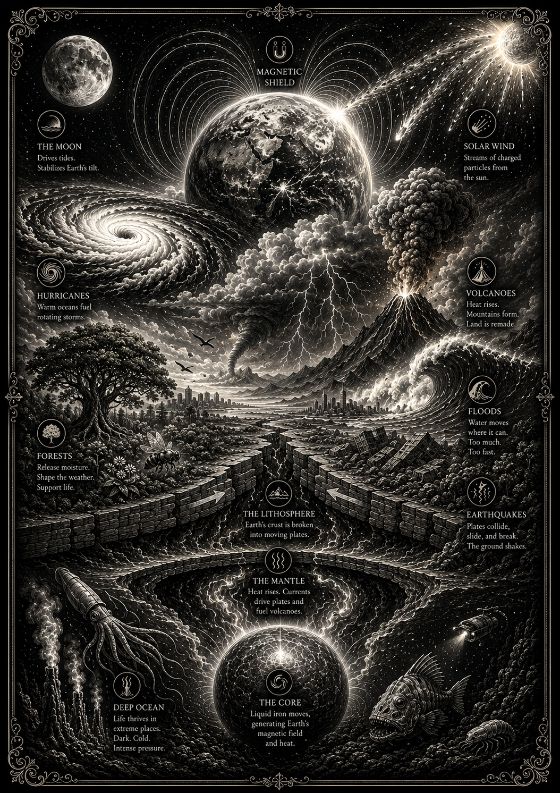

Open a question. Get the answer. Go deeper.
Every question begins with a clear short answer. Keep reading for the fuller explanation, then discover features that add context, facts, or a different perspective.
Every topic begins with a real question kids actually ask.
A clear, direct answer up front, so the main idea lands right away.
Go deeper with context, examples, and surprising details that bring the topic to life.
A few real questions, answered honestly.
Here’s exactly what you get, 101 times over: a real question, a short answer first, then the story underneath, with features like Myth vs Truth and Weird Fact along the way. Click any one open to see the full page.
09.
Why is Space Silent?
Sound needs a material. Space mostly has none.
 SHORT ANSWER: Because sound needs something to travel through.
▾
SHORT ANSWER: Because sound needs something to travel through.
▾
Why is Space Silent?
Sound needs a material. Space mostly has none.
Sound is vibration. When you clap, your hands push nearby air molecules. Those molecules bump into other molecules, and the vibration travels outward until it reaches someone’s ear. That is why sound can move through air, water, walls, and metal. But space is mostly vacuum. That means there are not enough particles close together to carry a sound wave.
Truth: The only way to hear an explosion in space is if the vibration travels through a physical object you are already touching.
A spaceship could explode right next to you in space, and you would see the flash, but you would not hear a boom unless the vibration reached you through something physical, like the structure of your own spacecraft.
Movies add space explosions because silence feels wrong to us. We expect big things to make big sounds. Reality does not care what makes a scene more dramatic.
Astronauts can talk in space because radios do not use sound waves traveling through air. They use electromagnetic waves, which can move through vacuum. The sound is converted into a signal, sent across space, then turned back into sound inside a helmet or speaker.
So space is not peaceful because nothing is happening.
It is silent because there is almost nothing there to carry the noise.
19.
What is the Largest Creature That Ever Lived?
 SHORT ANSWER: The blue whale.
▾
SHORT ANSWER: The blue whale.
▾
What is the Largest Creature That Ever Lived?
Not the largest animal alive right now. The largest ever.
That includes the dinosaurs. Some dinosaurs were longer, but blue whales are heavier. A large blue whale can be about 80 to 100 feet long and weigh well over 100 tons. Its heart can be roughly the size of a small car. Its tongue alone can weigh as much as an elephant.
The reason the biggest animal in history lives in the ocean is physics.
On land, gravity is relentless. A giant animal needs legs strong enough to hold up its body, a heart powerful enough to pump blood to its extremities, and bones that do not collapse under their own weight. In water, buoyancy does much of that work. The ocean lets bodies reach sizes that land simply does not allow.
That does not make life easy for a blue whale.
Blue whales need an enormous amount of food. Blue whales survive mostly by eating krill, tiny shrimp-like animals. During feeding season, a whale may eat several tons of krill in a single day.
That is the part worth pausing on. The biggest animal in Earth’s history survives by eating some of the smallest.
51.
Why Do Adults Care So Much About Money?
 SHORT ANSWER: Because money is not really about stuff. It is about options.
▾
SHORT ANSWER: Because money is not really about stuff. It is about options.
▾
Why Do Adults Care So Much About Money?
When people have enough money, they can make more choices. They can live somewhere safer, fix a broken car, leave a bad job, pay for help, handle an emergency, or say no to someone who is treating them badly.
When money is tight, choices shrink.
That is why adults can seem so intense about it. They are not usually thinking, “I love paper rectangles.” They are thinking about rent, food, bills, medical costs, time, safety, and what happens if something goes wrong.
Money does not automatically make someone happy. Plenty of unhappy people have money. But having too little can make life much harder because small problems turn into emergencies faster.
This is also why people argue about money so much. It touches almost everything: freedom, fairness, power, stress, family, work, and the future.
The thing adults often explain badly is that money is both practical and emotional. It pays for things, but it also changes how trapped or free a person feels.
Written for the kid who wants a real answer, not a brush-off.
No. Questions are answered directly, in an age-appropriate style, and where the honest answer is “we’re still figuring that out,” it says so.
An honest review helps other families decide whether this book is right for them.
Leave an honest review →The Honest Book of Whys
Great questions. Real answers. And the interesting part underneath.
Explore the series →